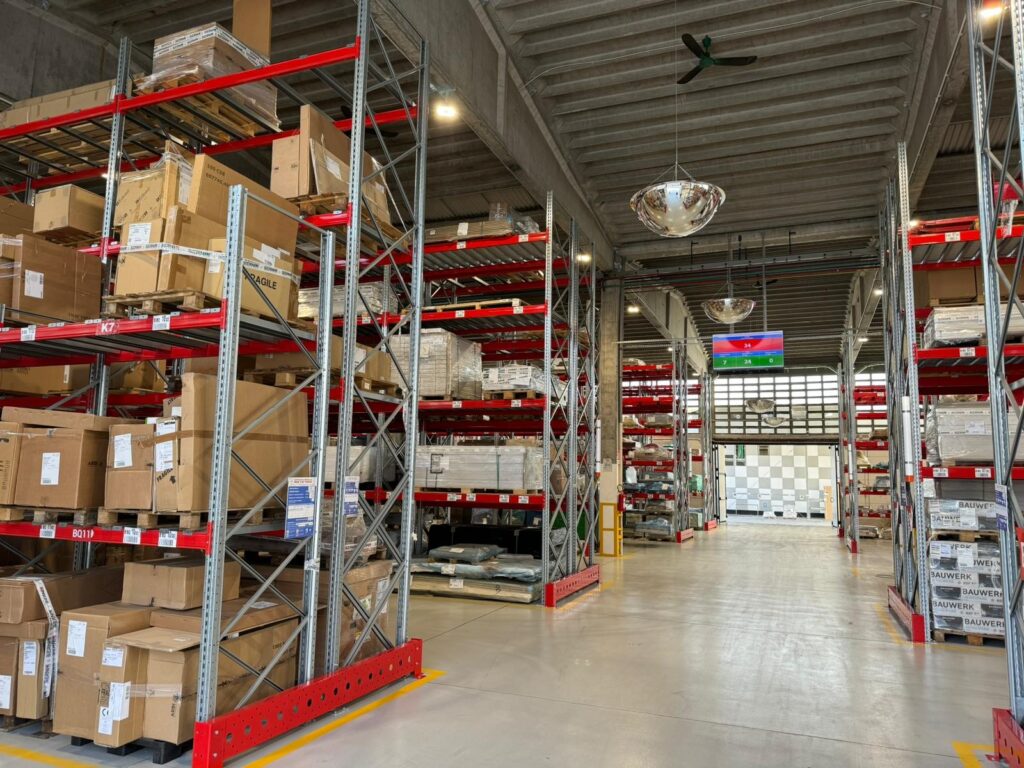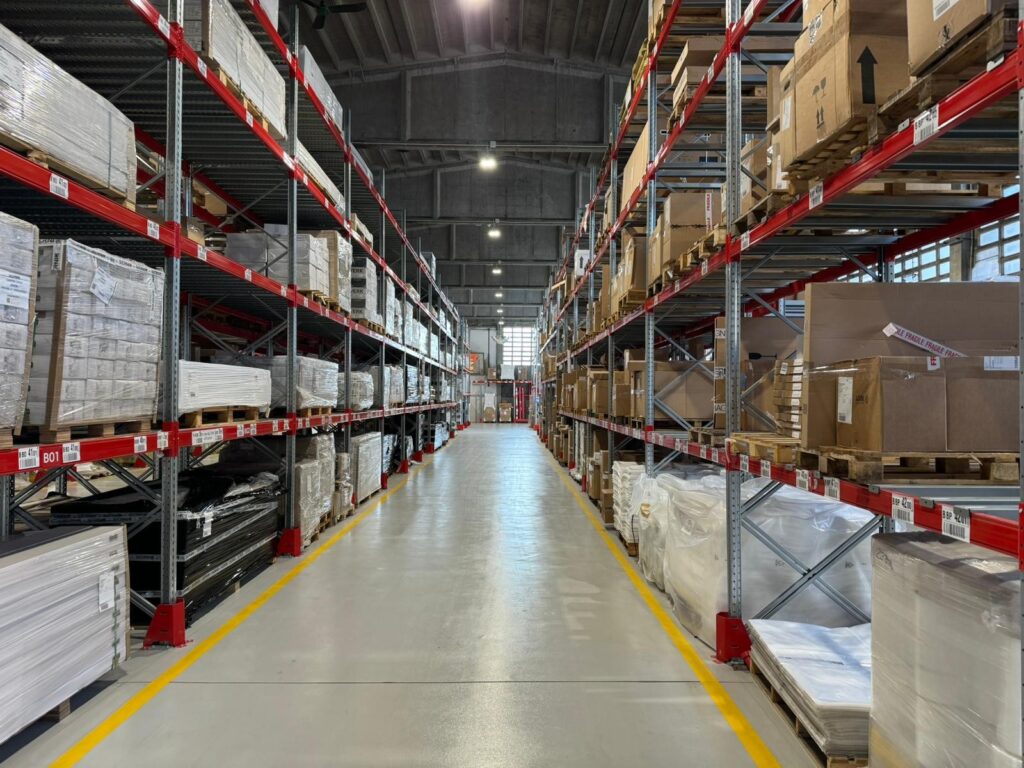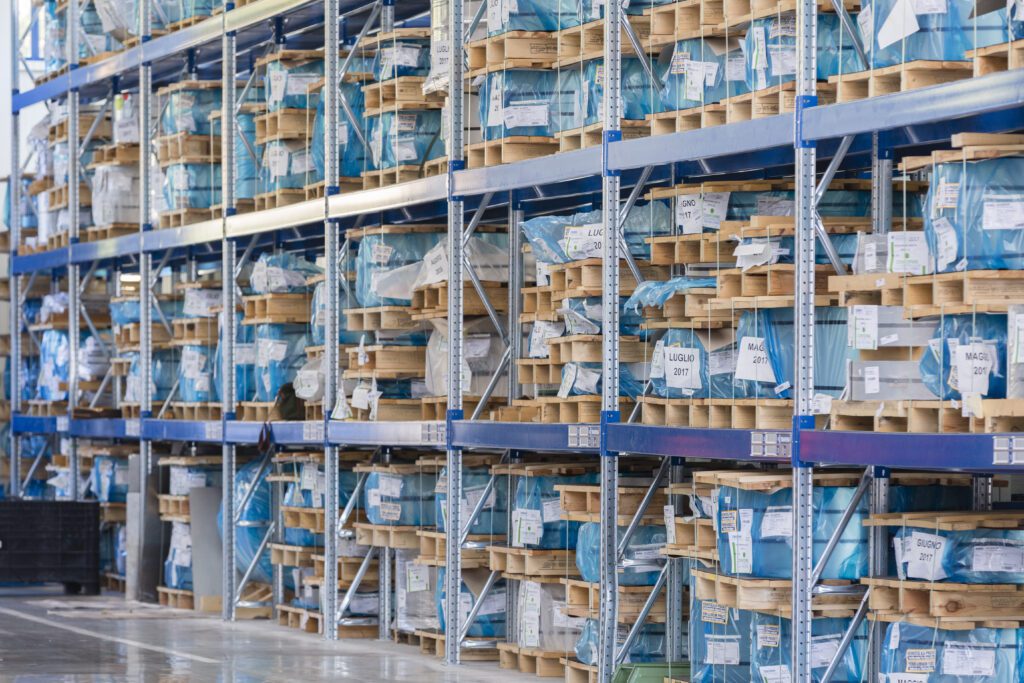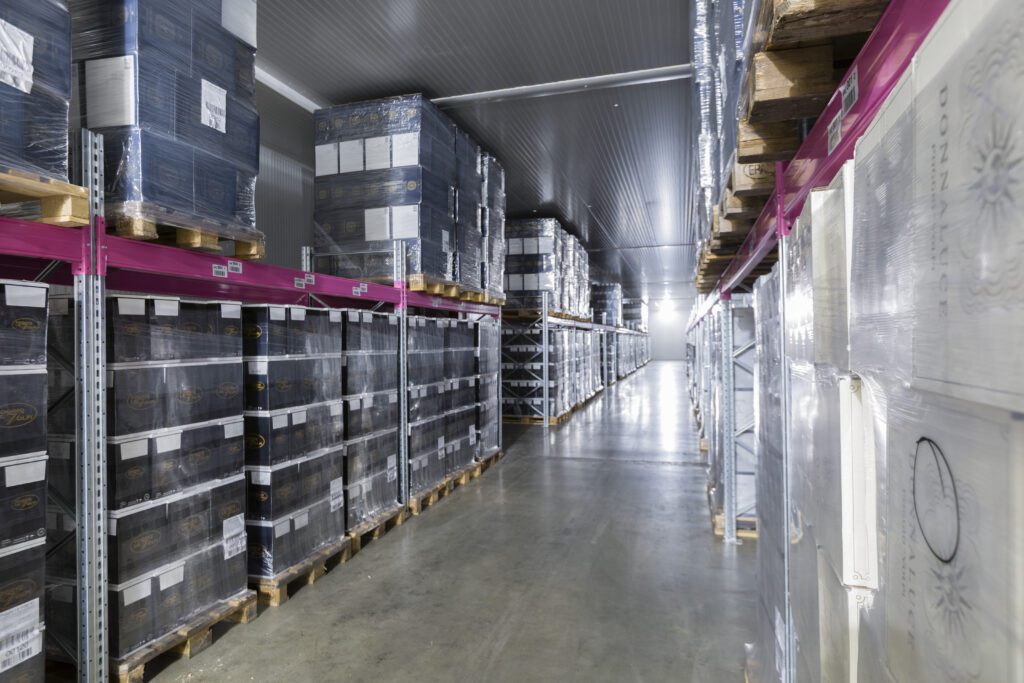
Seismic-retrofit interventions represent a fundamental measure to secure existing steel shelving. But is it really possible to bring already installed structures up to current seismic-resistance standards?
The answer is yes: here’s how to do it properly, in compliance with the technical guidelines.
Seismic retrofit and improvement: the regulatory framework
The recent “Linee Guida per la Progettazione, Esecuzione, Verifica e Messa in Sicurezza delle Scaffalature Metalliche” published by the Consiglio Superiore dei Lavori Pubblici (CSLLPP) define the criteria for:
- seismic-retrofit or seismic-improvement interventions;
- modifications and/or expansions;
- local repairs and/or replacements;
- dismantling and re-erection of existing industrial shelving.
All interventions must be carried out in cooperation between the assessing engineer and the client, and must comply with the relevant technical standards (e.g. NTC 2018, UNI EN 16681, UNI EN 15635). Chapter 7 of the guidelines sets out the general principles and checks to apply to secure existing structures in seismic zones.
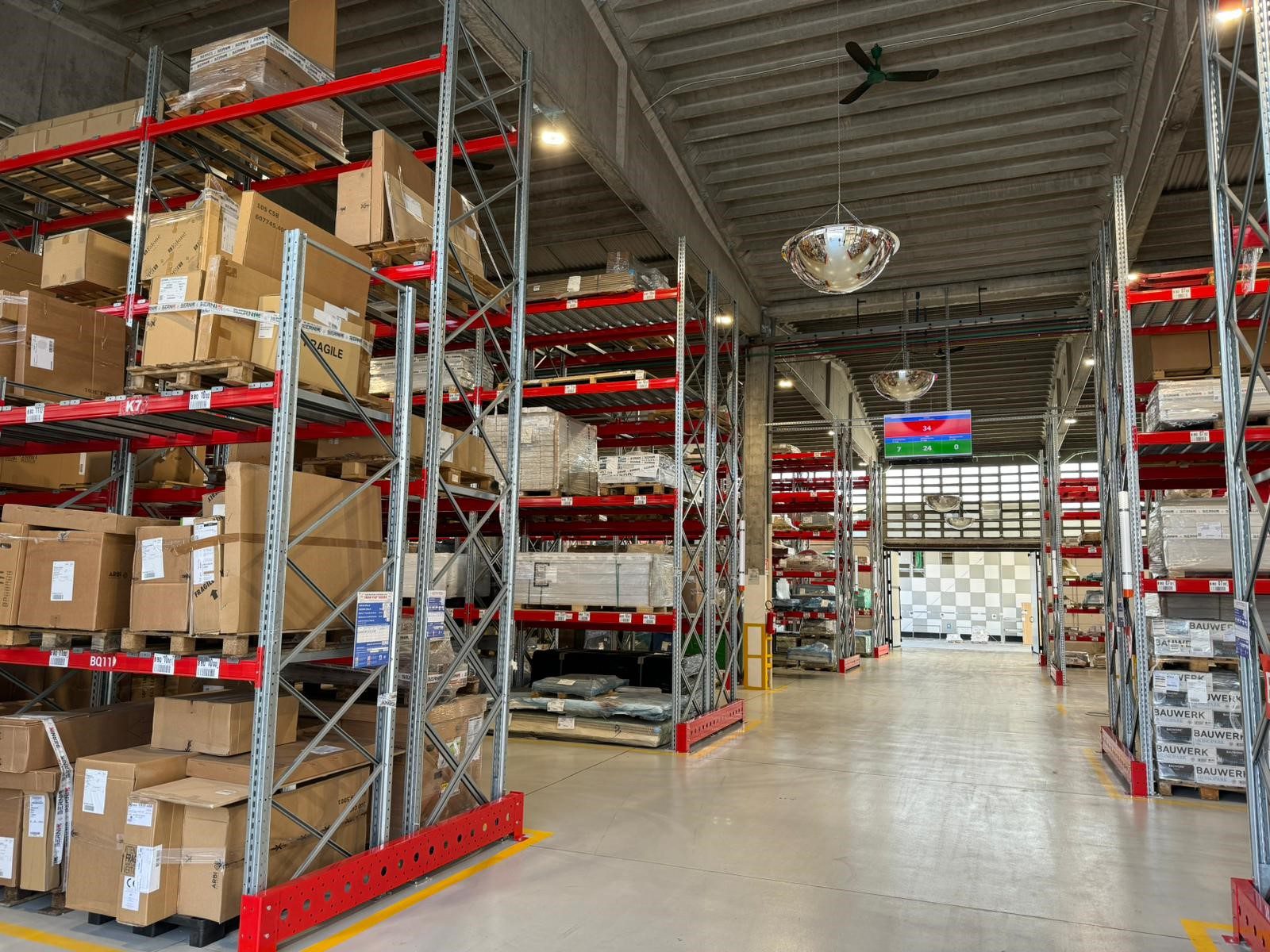
How to carry out seismic interventions on existing industrial shelving?
Two possible approaches
The possible solutions are two:
– Seismic retrofit: brings the structure to meet the safety levels required by current regulation.
– Seismic improvement: increases the load-resistance capacity of the racking system, without necessarily achieving the levels required by current regulation. It is often applied to installations that are already safe, but outdated.
Both approaches require a preliminary seismic-vulnerability assessment of the existing shelving, to be performed with the assistance of a qualified engineer according to the criteria of:
- NTC 2018 (Technical Standards for Constructions)
- UNI EN 16681, the European standard for industrial sheving subject to seismic actions;
Periodic inspections and verifications
In addition to the initial assessment, it is important to plan:
- Regular inspection visits;
- Checks on individual components and the entire structure, according to the manufacturer’s instructions;
- Compliance with UNI EN 15635, the standard for safe use of industrial shelving.
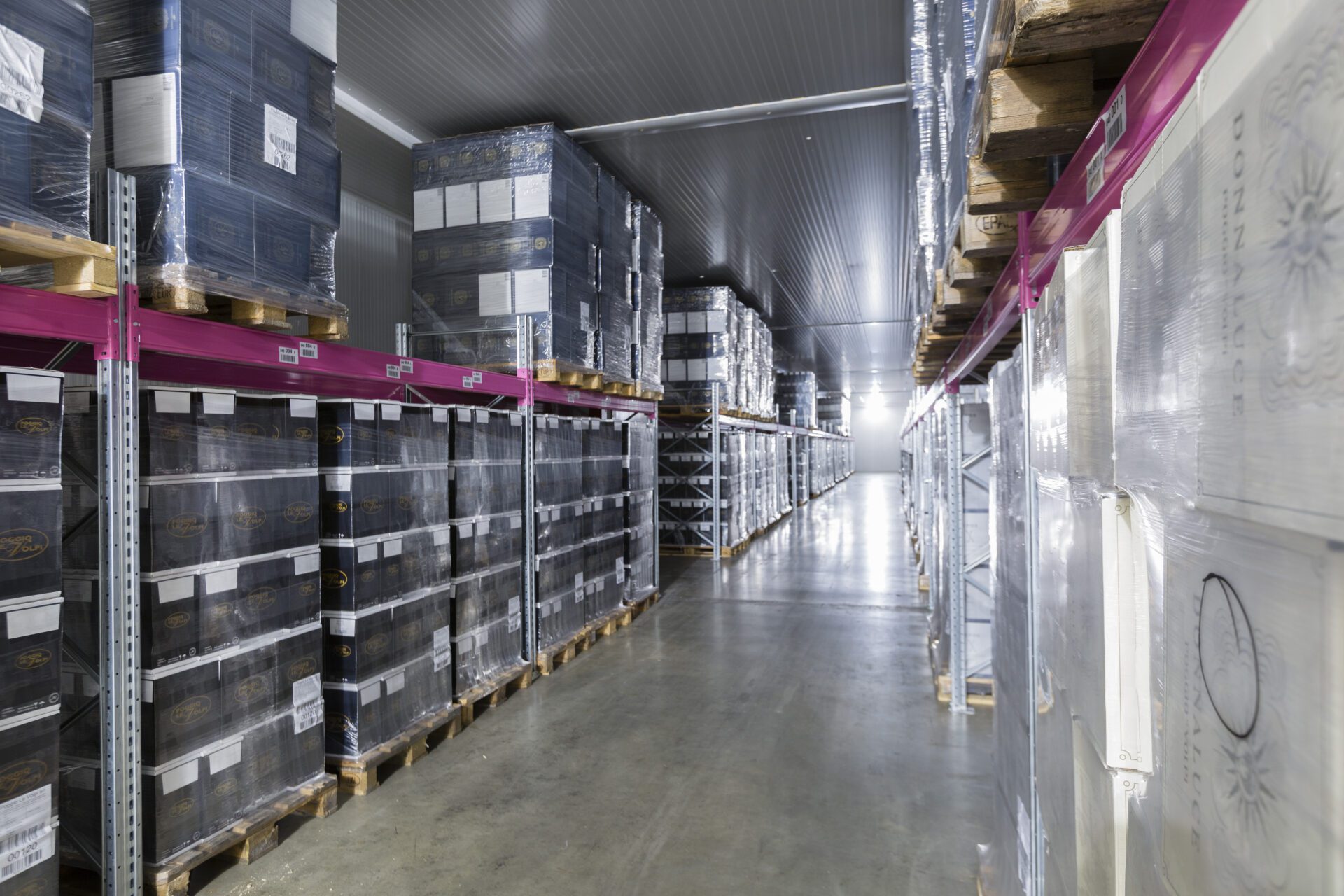
What are the risks without seismic retrofit or improvement?
Neglecting retrofit or improvement interventions entails legal and operational responsibilities for the employer or warehouse operator.
Under D. Lgs. 81/08 it is the employer’s obligation to ensure the structural stability of the installations in the workplace.
In the absence of corrective interventions:
- Risks of collapse and accidents increase;
- Safety of goods and operators is compromised;
- Regulatory sanctions may apply in case of inspections.
Do you want safe, regulation-compliant structures?
We design seismically-qualified industrial shelving and intervene on existing installations to guarantee their retrofit.
Contact us for a personalised technical consultancy.
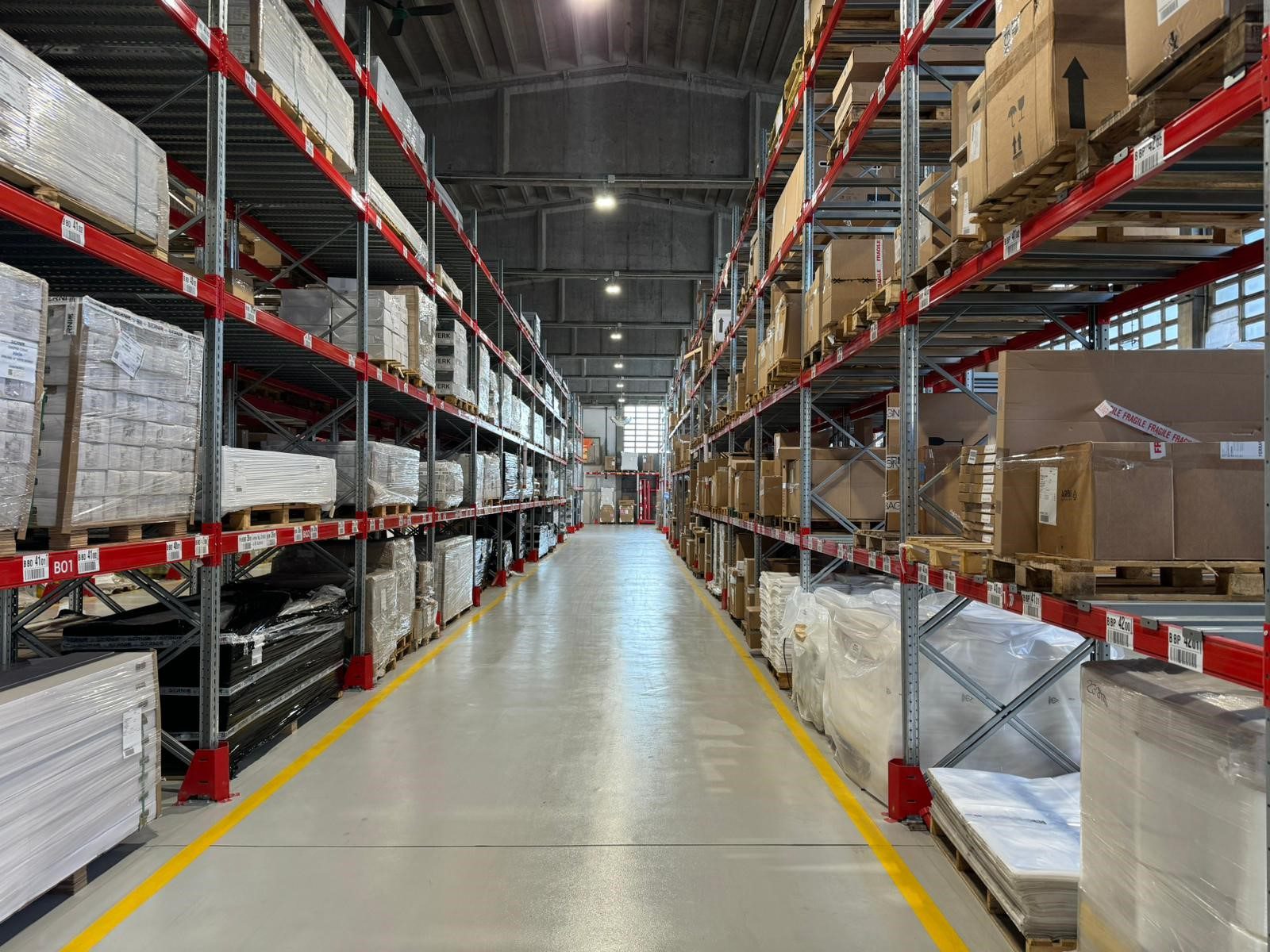
FAQ – Seismic retrofit of existing industrial shelving
What is the purpose of interventions on existing shelving?
They are intended to address the critical issues identified during inspections, in line with the checks foreseen under § 7.1 of the Guidelines.
Structural reinforcements must ensure plan-and-elevation regularity, and take into account:
– the level of knowledge of the structure;
– the confidence factors as per NTC 2018.
Is it necessary to retrofit the entire warehouse?
Not always. A preliminary documentary review is recommended to identify:
- shelving already compliant with seismic standards;
- those requiring further analysis or interventions.
This allows selective and targeted intervention, optimising time and cost.
Which risks are reduced by seismic retrofit?
A well-designed intervention allows to:
- increase the resistance to seismic loads;
- reduce the risk of damage, collapse or load fall;
- protect stored goods and personnel safety.