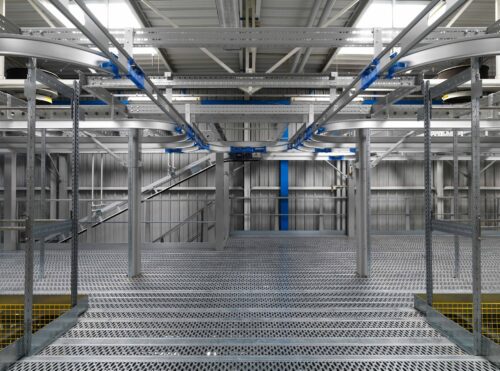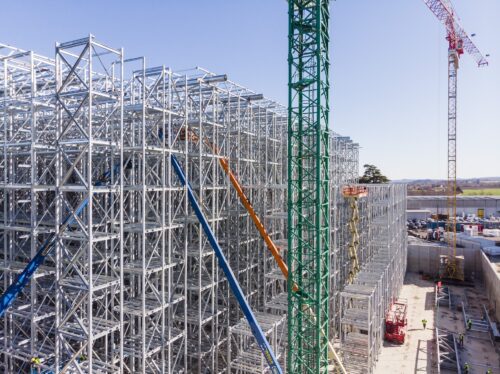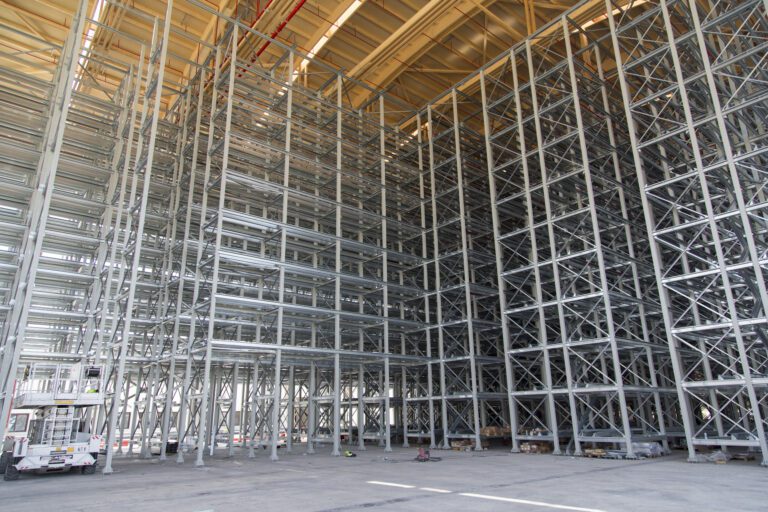
In the modern logistics field, time, space and operational continuity are decisive resources. For this reason, companies managing complex warehouse flows need industrial storage solutions able to meet the operational demands of the market.
However, there is no universally valid configuration. The ideal solution is therefore a warehouse storage system designed around specific goals, which vary from one company to another.
An efficient warehouse is built on the balance between Load Unit (LU) characteristics, storage volumes, turnover rate, available space and operational goals.
The choice between traditional storage systems and automated storage systems therefore depends not only on the level of technology involved, but also on the company’s logistics strategy.
But how does a warehouse storage system actually work? What distinguishes a traditional storage system from an automated one? And above all, which solution is best suited to your warehouse? Let’s find it out.
“Man-to-Goods” and “Goods-to-Man” Picking: The Two Operating Models
The two storage systems differ primarily in the way operators interact with goods.
- In the man-to-goods model, typical of traditional racking systems, the operator physically moves through the warehouse to reach the storage or picking location. This may be done on foot, using forklift trucks or other material-handling equipment.
- In the goods-to-man model, typical of automated systems, the operator stays at a dedicated workstation, such as a picking station. Automated systems, such as shuttles or stacker cranes, retrieve the Load Unit (LU) from the racking system and deliver it directly to the operator, reducing travel times and increasing productivity.
This distinction, which lies in the degree of process automation, directly affects picking speed, internal travel routes, space management, operational safety, costs and flow control. Understanding which of these two solutions best suits a company’s logistics flows is the first step in defining the most appropriate storage system.
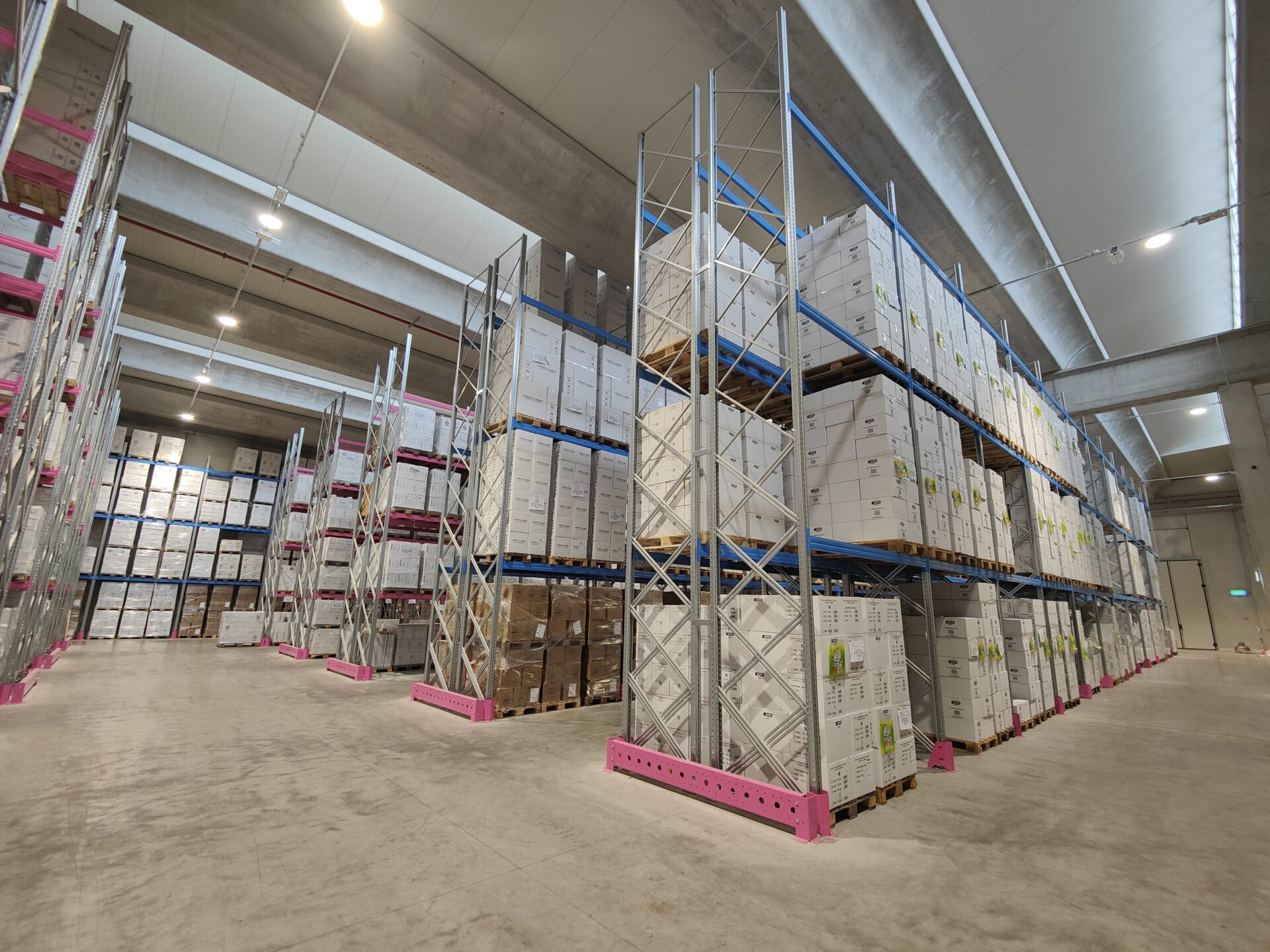
What Are the Advantages of Traditional Racking Systems?
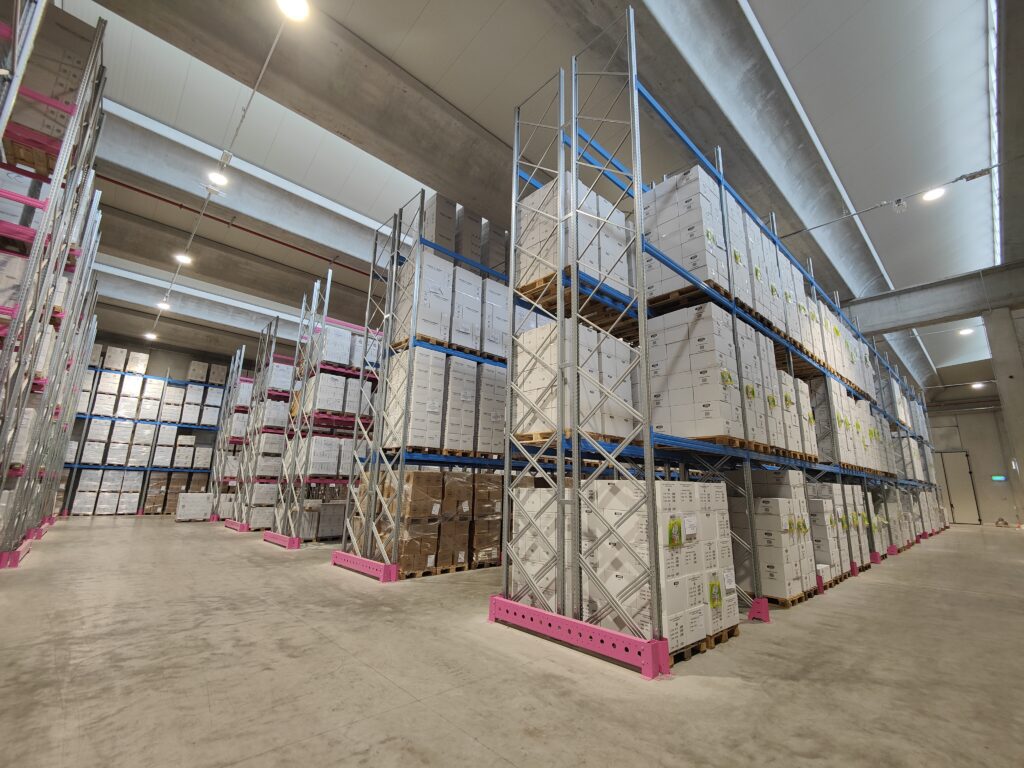
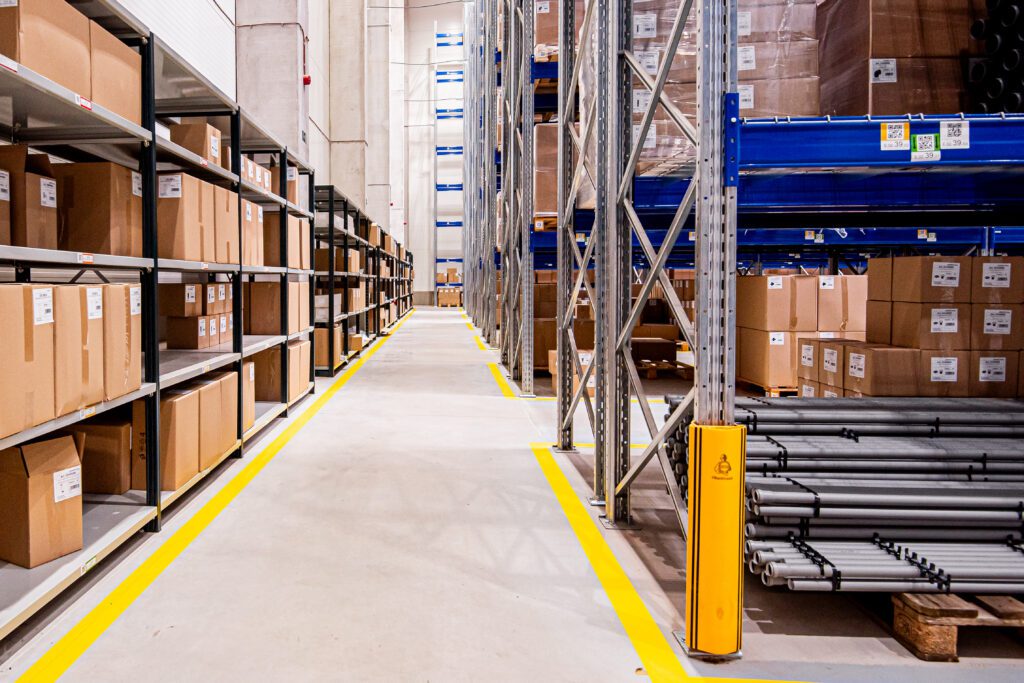
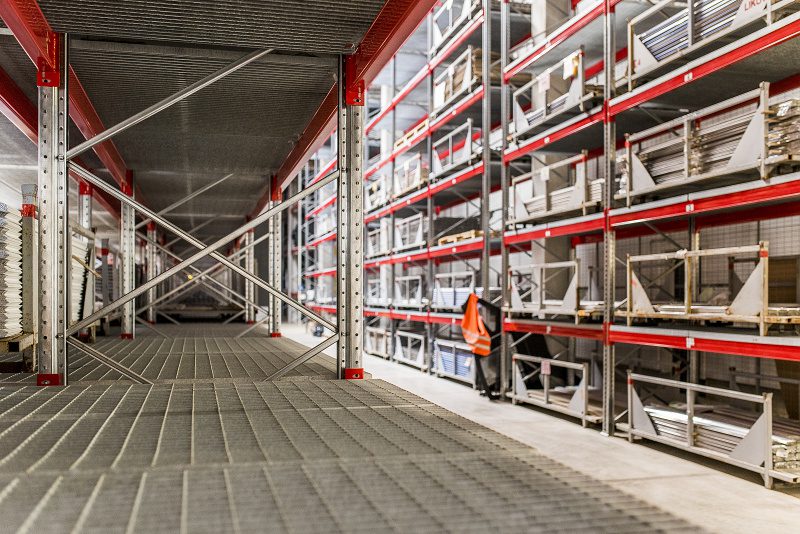
Traditional racking systems are among the most widely used solutions for industrial storage. They are flexible, cost-effective and easily adaptable systems, ideal for warehouses with a large number of SKUs or changing operational requirements.
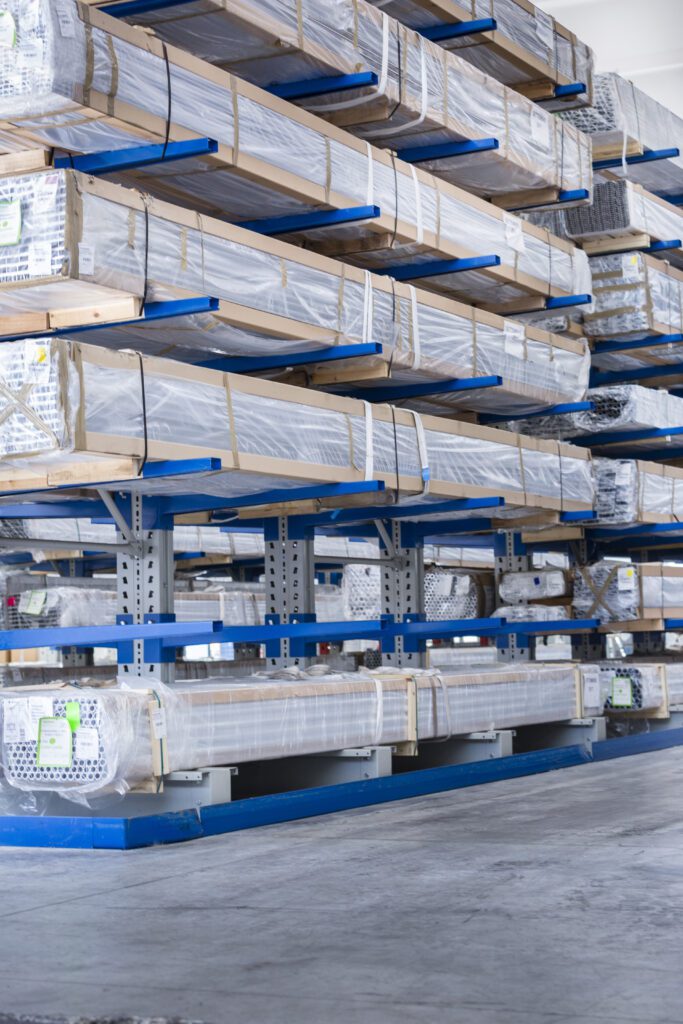
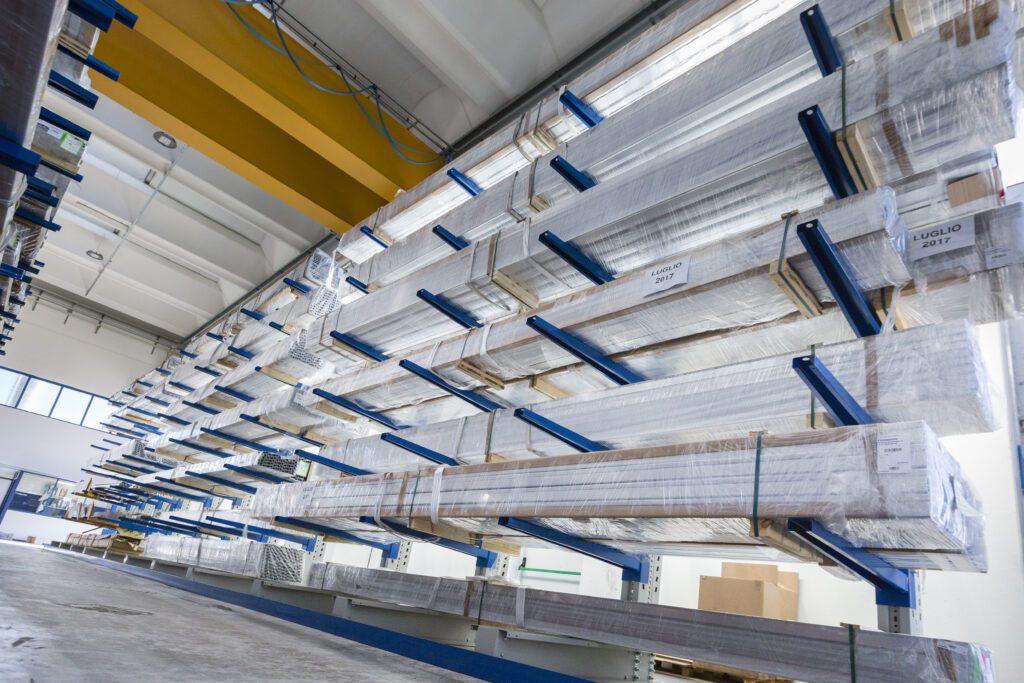
This category includes solutions such as standard pallet racking, cantilever and lightweight shelving systems.
Traditional shelving is based on the concept of versatility, offering an excellent balance between flexibility, affordability and accessibility. Rather than being a rigid structure, it is a solution that can be reconfigured, expanded or adapted over time according to changes in storage volumes, product ranges and load units.
The main advantages of traditional racking include:
- Direct access to goods: many configurations allow easy access to each load unit, simplifying picking operations.
- Lower initial investment: compared with an automated system, a traditional solution generally requires a lower upfront budget.
- Operational flexibility: suitable for warehouses with numerous SKUs, non-standardised goods or requirements subject to change.
- Versatility and adaptability: the structure can be designed, expanded or reconfigured to meet future needs.
These advantages make traditional racking particularly suitable for companies seeking a reliable, scalable and adaptable solution.
What Are the Limitations of Traditional Racking Systems?
Compared with automated or high-density storage systems, the limitations of traditional racking mainly concern storage density and operating speed:
– Lower operational speed: the man-to-goods model requires operators or handling equipment to travel physically through the warehouse, resulting in longer picking times than an automated system.
– Less efficient use of space: traditional racking does not provide the same level of space optimisation as an automated warehouse.
– Lower storage density: the need for operating aisles can reduce overall storage capacity compared with compact or automated solutions.
When assessing traditional versus automated solutions, it is important to consider not only the advantages but also the limitations that could reduce internal logistics efficiency over the long term.
What Are the Advantages of an Automated Warehouse?
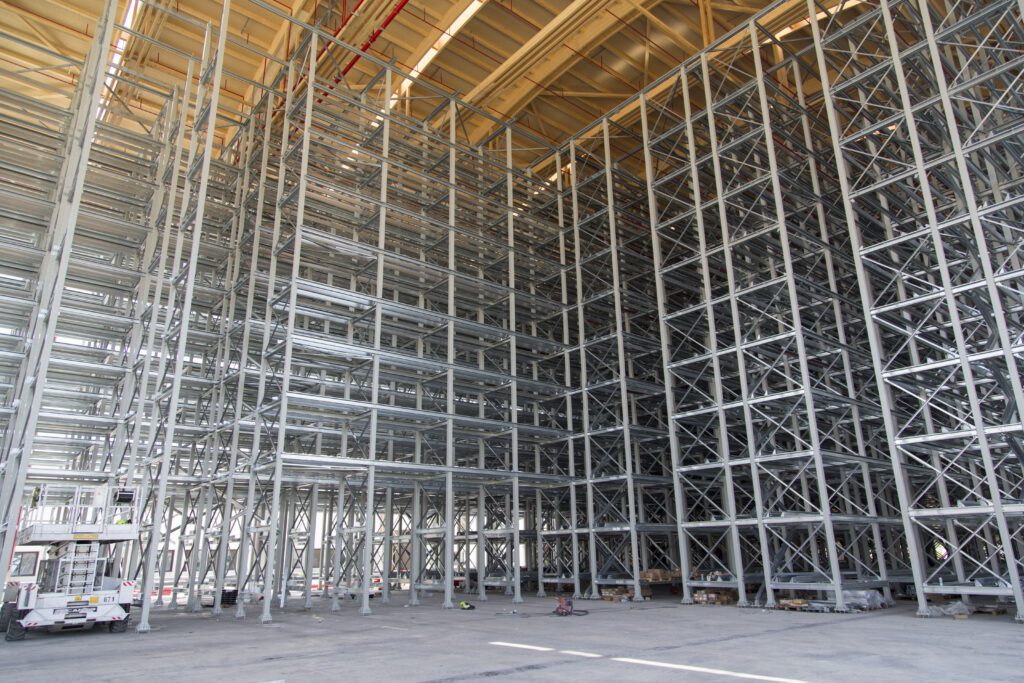
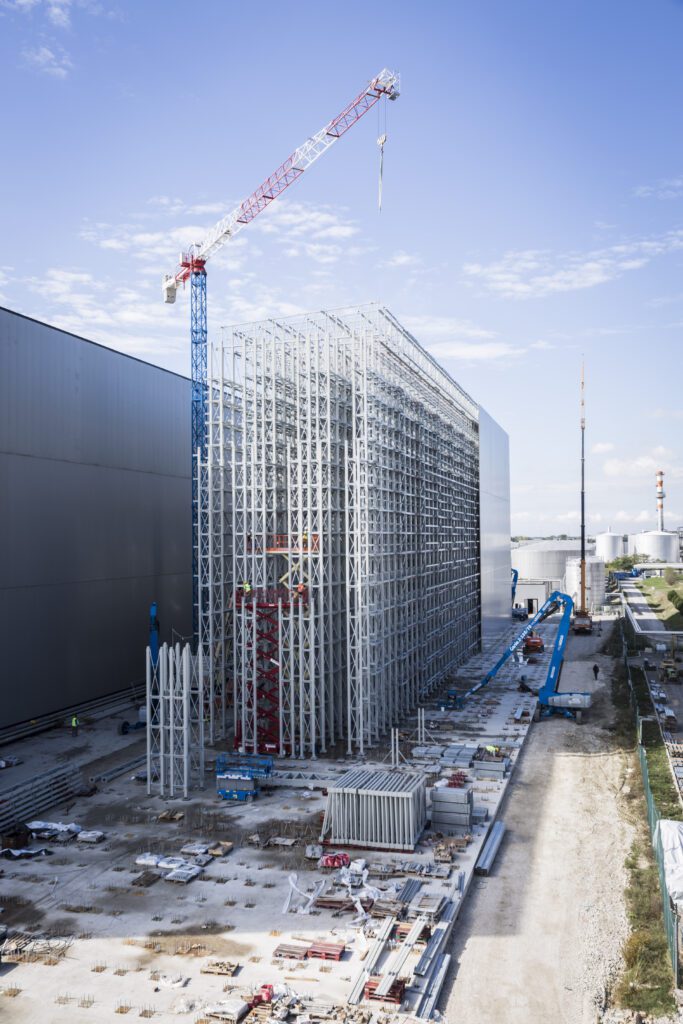
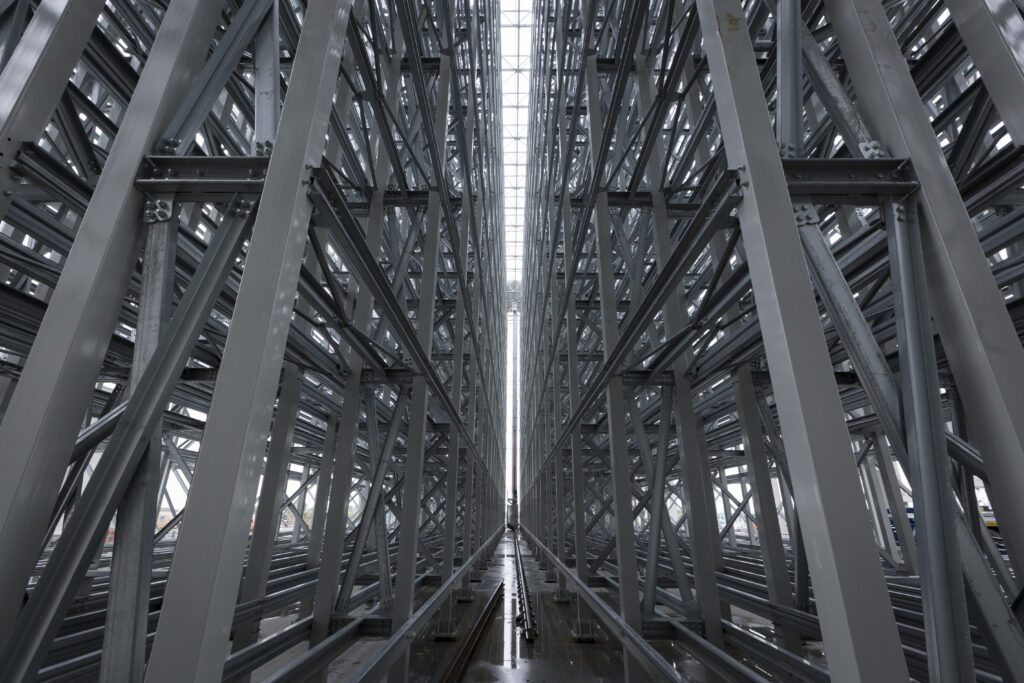
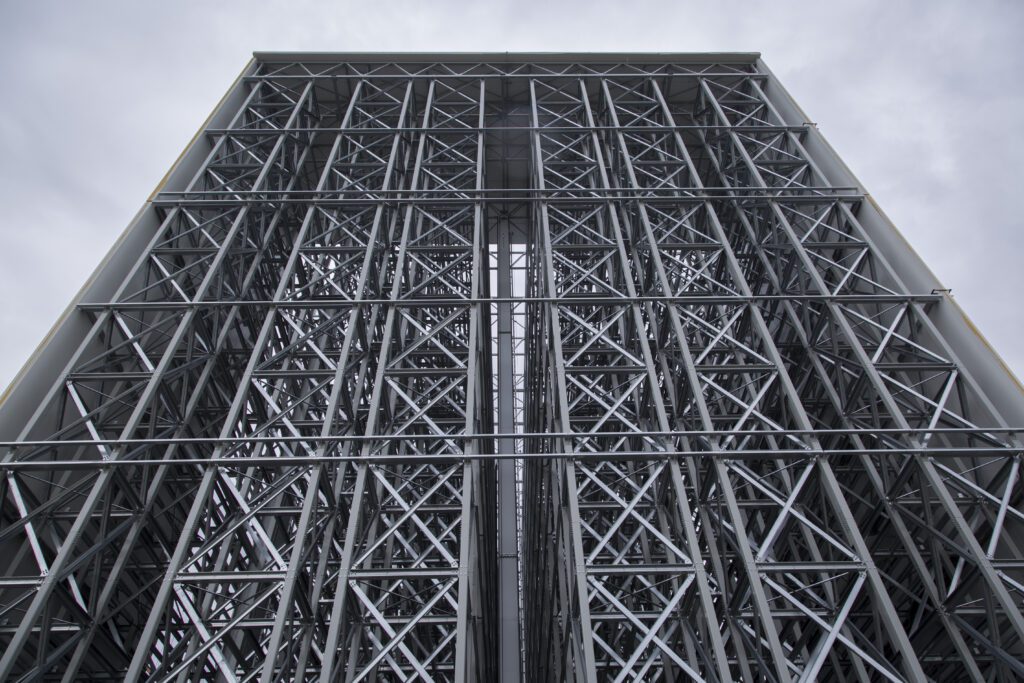
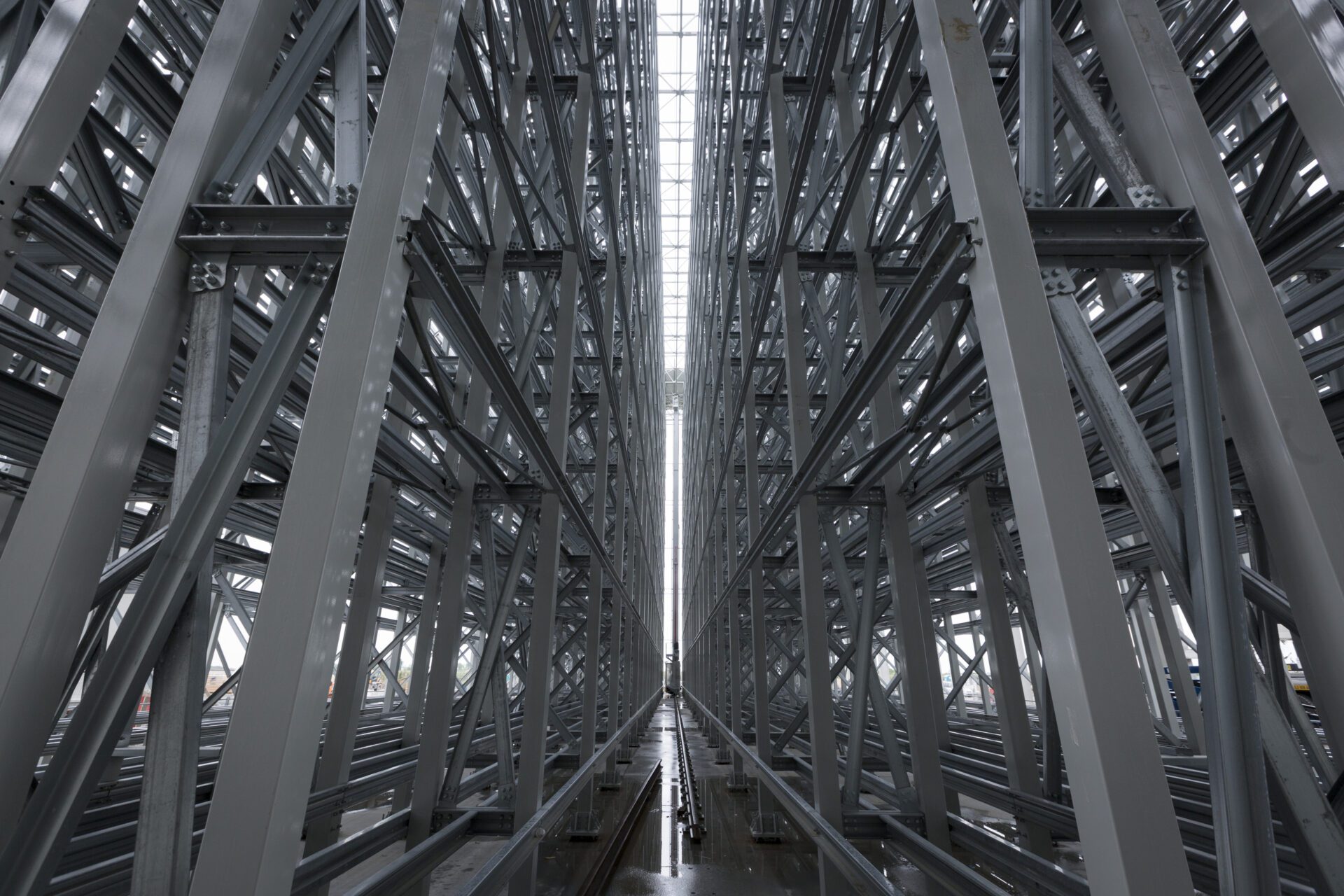
An automated warehouse is the ideal solution for companies with high operating volumes and the need for high-density storage. Automated storage systems are designed to manage warehouse flows through integrated technologies, reducing direct manual intervention in handling, storage and retrieval operations.
These systems may include stacker cranes, miniload systems and shuttles for managing load units. Warehouse automation therefore becomes a strategic asset for businesses aiming to scale their internal logistics while reducing operating costs per load unit over the long term.
The main advantages of an automated system are:
- Accuracy and operational speed: automated systems help make storage and retrieval processes faster and more consistent.
- Space optimisation: eliminating traditional operating aisles and making full use of vertical space increases storage density and capacity.
- Error reduction: automation can significantly reduce errors associated with manual handling, especially when integrated with appropriate warehouse management software.
- Greater flow control: processes can be monitored, tracked and managed with increased precision.
These benefits make automated warehouses particularly suitable for environments with high operational intensity, standardised goods, limited space and a need for continuous workflow efficiency.
What Are the Disadvantages of an Automated Warehouse?
Automated storage systems also present some significant limitations that should be carefully assessed:
– High initial investment and maintenance costs: installation and management costs for an automated warehouse are considerably higher than those of traditional racking. Maintenance, software integration and staff training must also be considered as part of the overall investment.
– Reduced flexibility: these systems are not easily reconfigured to accommodate future requirements or non-standardised goods, making them less suitable for operations that frequently change product formats, load units or operating procedures.
– Risk of system downtime: a malfunction or technical issue can halt or slow warehouse operations, directly affecting internal logistics efficiency.
Like traditional solutions, automated systems also have characteristics that may represent limitations depending on the business context. It is therefore essential to evaluate not only the gains in operational efficiency but also the structural constraints and long-term costs involved.
What Are the Differences Between a Traditional and an Automated Warehouse?
The main difference between a traditional warehouse and an automated warehouse lies in the operating model: in the first one, the operator moves towards the goods, while in the second one, the goods are delivered to the operator through automated systems.
This distinction results in significant differences in terms of picking speed, space optimisation, flexibility and costs. The table below compares the two solutions according to the main criteria:
| Comparison Criterion | Traditional Shelving | Automated Warehouse |
|---|---|---|
| Operational model | Man-to-goods | Goods-to-man |
| Picking speed | Longer picking times | Fast and consistent thrpughput through automated systems |
| Space optimisation | Requires operating aisles, resulting in lower storage density | Maximised capacity with minimal aisle requirements |
| Flexibility | Easily reconfigurable | Difficult to reconfigure |
| Initial costs | Lower investment | High investment and maintenance costs |
| Operational accuracy | Greater potential for human error | Significant reduction in operational errors |
| Operational continuity | Limited impact in the event of disruption | Significant impact in the event of downtime |
Conclusions: Is a Traditional or Automated Storage System Better?
Choosing between automated and traditional storage systems does not mean choosing between an “old” solution and a “modern” one. It means identifying the configuration that best aligns with the way a company operates, grows and manages its logistics flows.
– Traditional racking systems offer flexibility, modularity and economic sustainability.
– Automated systems increase storage density, speed and control, but require more substantial investment, engineering and maintenance.
For this reason, the best choice always stems from a technical analysis of the warehouse, the load units and the operational objectives.
ROSSS designs tailor-made industrial storage systems, supporting companies in selecting the solution best suited to their production and logistics environment.
Do you want to find out which storage system is most suitable for your warehouse? Contact us for a personalised technical consultation.