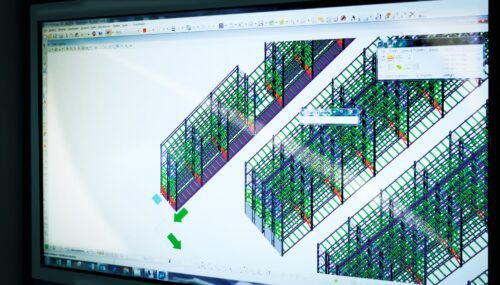
Choosing a storage system is only the final step of a structured process that requires a careful preliminary analysis of several technical and operational factors. Every storage installation starts with a design phase based on the characteristics of the unit load (UL) and the available space, with the aim of finding the best balance between:
- operational efficiency
- safety
- storage density
How to choose a storage system based on the unit load
The first step in identifying the most suitable storage system is the analysis of the unit load.
The unit load (UL) refers to a grouping of goods handled and stored as a single item, which can be placed or picked in one operation.
Among the main parameters guiding the choice of racking are the weight, volume and dimensions of the unit load. In particular, weight allows us to distinguish between different load classes:
- up to 300 kg: light load
- between 300 and 1,000 kg: medium load
- over 1,000 kg: heavy load
Depending on this classification, the choice falls on lightweight or heavyweight shelving.
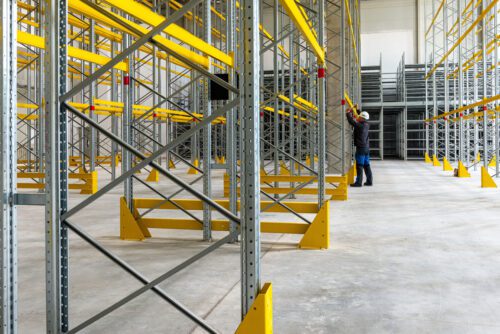
Another essential reference is UNI EN 15635:2009, which states that each unit load must be stable and correctly positioned to ensure the safe use of the storage system. Identifying the most suitable racking solution therefore becomes a key requirement also from a safety perspective.
Main kinds of unit loads
Below are the most common kinds of unit loads and the recommended storage systems for each.
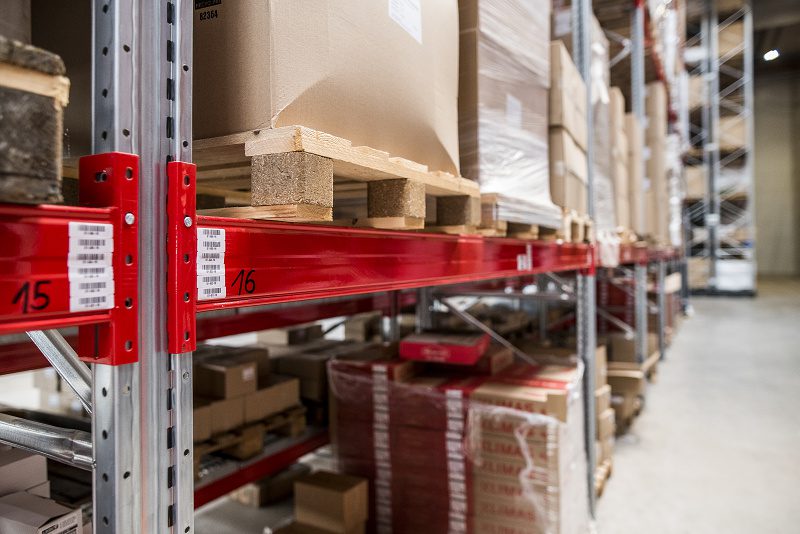
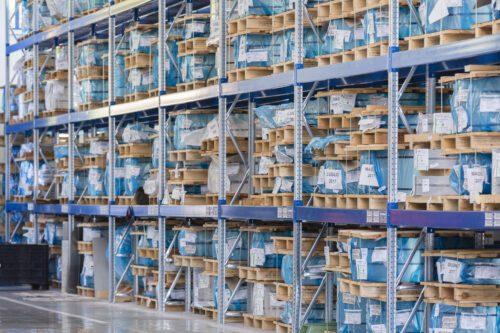
1) Pallets → the most widely used unit load, designed to be compatible with all stages of the logistics flow: storage, handling and transport. The most common format is EPAL (800 × 1,200 mm), although other sizes such as 1,000 × 1,200 mm are also used. The most common solution is the selective pallet rack, which provides direct access to each pallet. It is a simple, versatile and cost-effective system.
Depending on the stock rotation rate, alternative solutions can also be adopted:
- Pallet shuttle system: high density, medium–high rotation
- Mobile pallet rack (racking on mobile bases): high density, low rotation
- Drive-in rack: high density, very low rotation
- Gravity flow systems: high density, high rotation
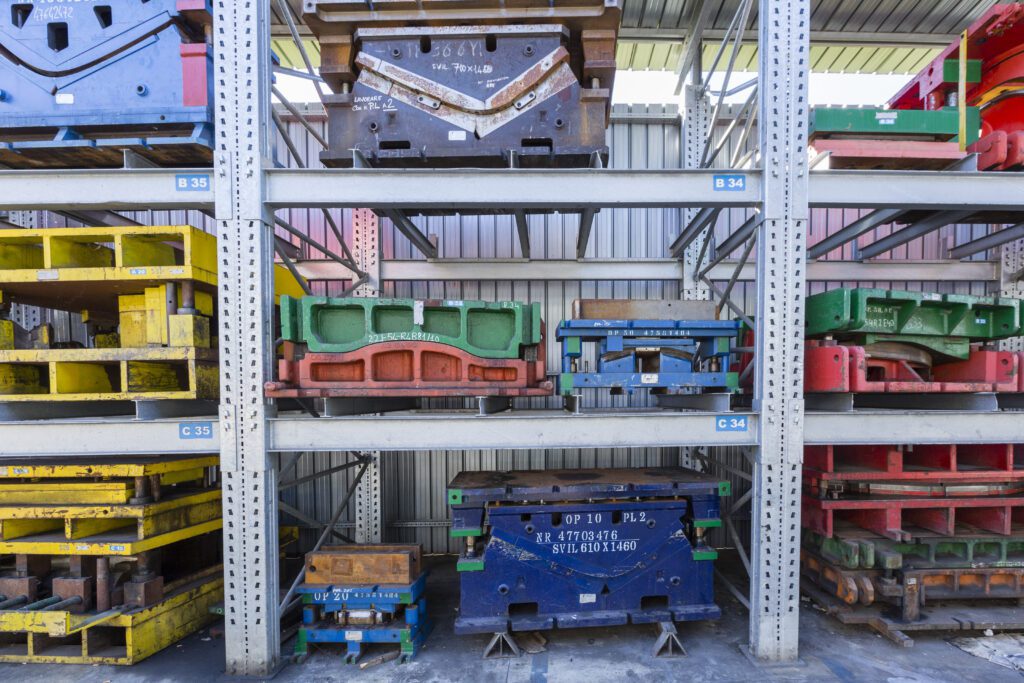
2) Metal bins / containers → widely used in the mechanical and manufacturing industries for storing bulk materials or components. These are heavy unit loads, generally with medium–low rotation.
In these cases, the main goal is to maximise space utilisation without compromising accessibility. Since rotation is limited, loading and picking speed becomes less critical.
The most suitable solutions are:
- Mobile racking systems: maximum density and full aisle accessibility, with space savings of up to 50% compared to traditional racking.
- Double-deep storage systems: higher density thanks to fewer aisles, with lower investment, but requiring dedicated handling equipment.
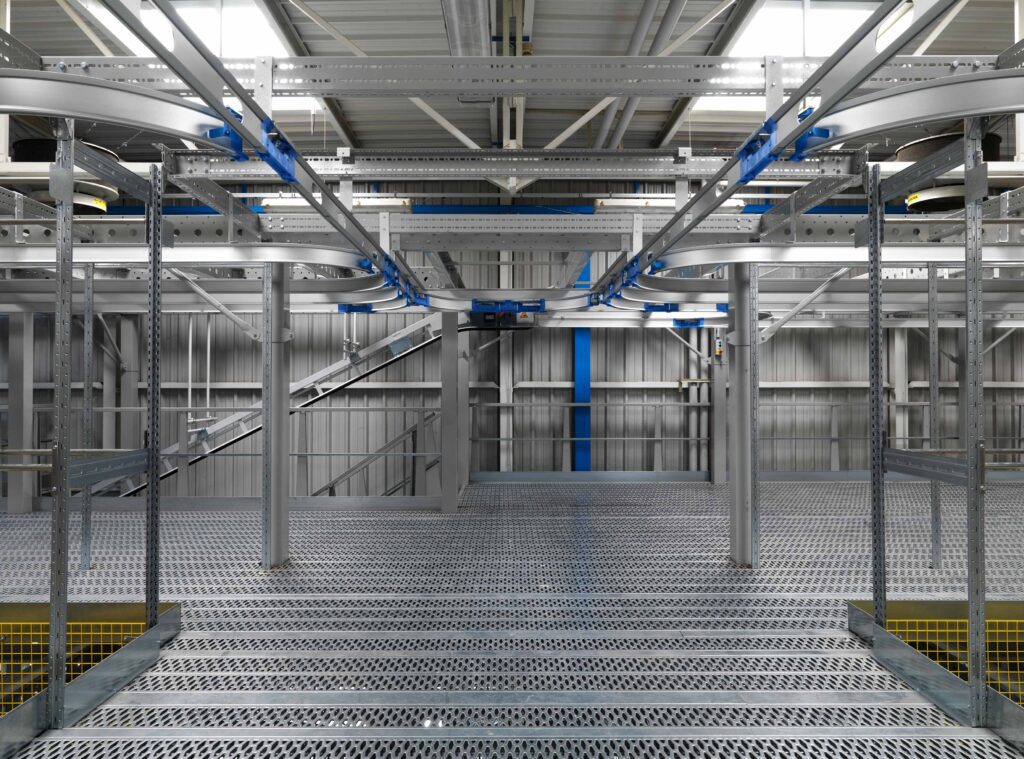
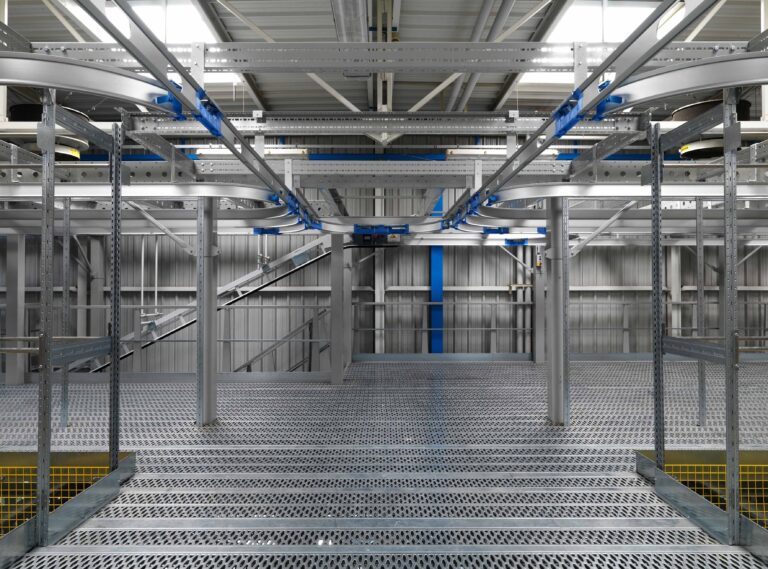
3) Small-sized units → typical of sectors such as small parts, spare parts, e-commerce, or operations with a high number of SKUs. They are ideally stored in multi-tier shelving systems (catwalk systems). These are multi-level installations that exploit warehouse height to create walkways, perfect for manual picking and handling non-palletised small items.
Other solutions for this type of unit load include:
- Miniload systems: automated, high-density and high-speed systems, ideal for high rotation, with higher initial investment.
- Lightweight shelving: the most economical solution, but with lower load capacities.
- Carton flow systems: dynamic storage systems with inclined roller beds that use gravity to move cartons forward, speeding up and optimising picking operations.
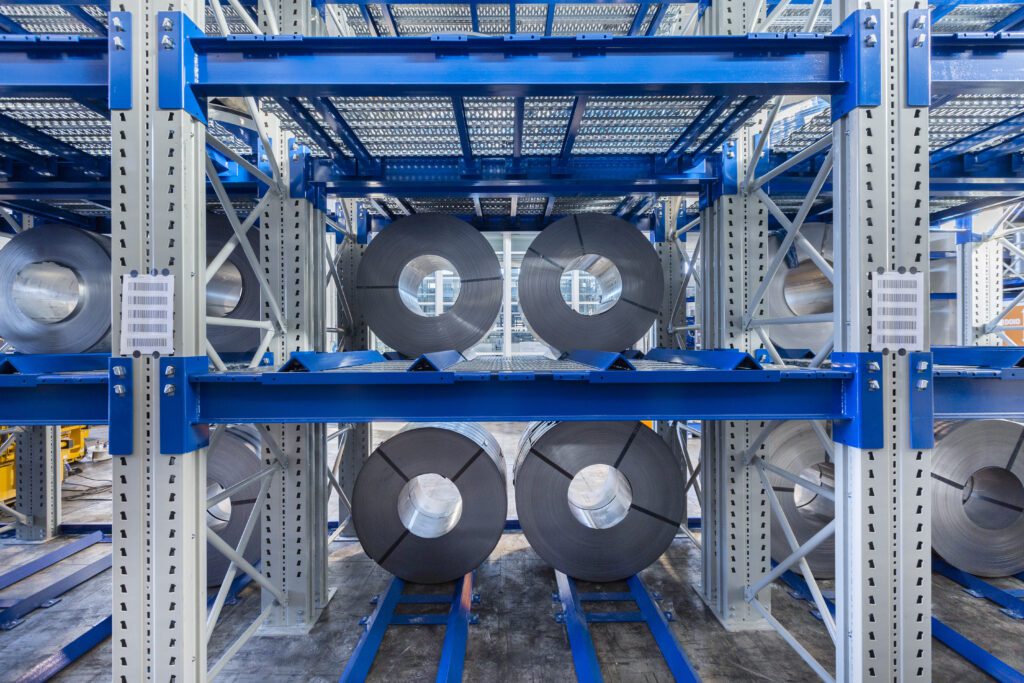
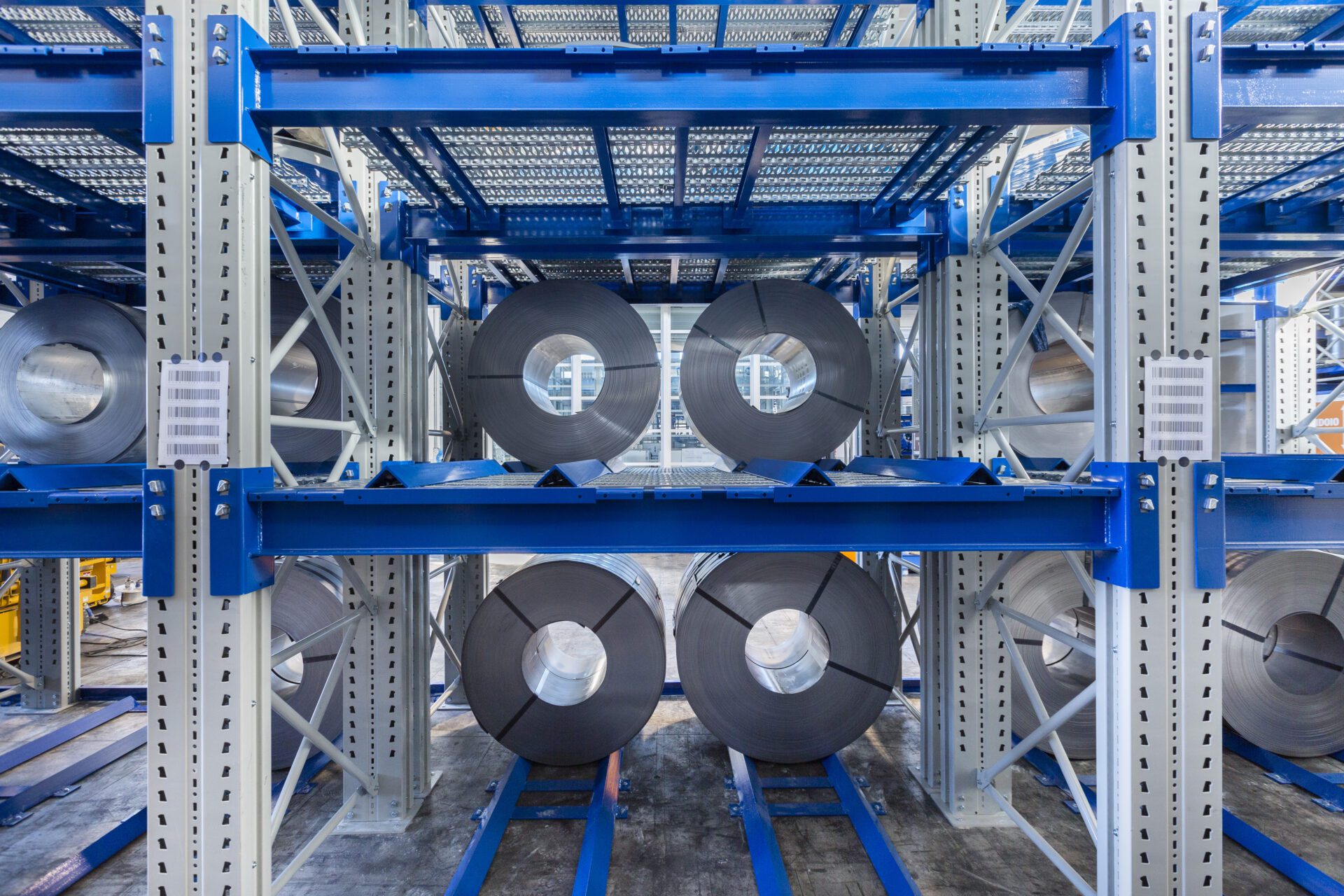
4) Large-sized units → coils, molds or sheet metal pallets are typical in mechanical and manufacturing environments. These bulky and heavy loads require heavy-duty racking systems.
When load dimensions are not uniform – a very common situation – it becomes necessary to integrate continuous decking to eliminate gaps and constraints. The most commonly used solutions are heavyweight pallet rack or heavyweight cantilever, integrated with decking or dedicated accessories.
5) Hanging garments → typical of the fashion industry, these unit loads are stored in multi-tier systems integrated with strong horizontal bars that allow garments to be hung directly, keeping them stretched and preventing deformation or creasing.
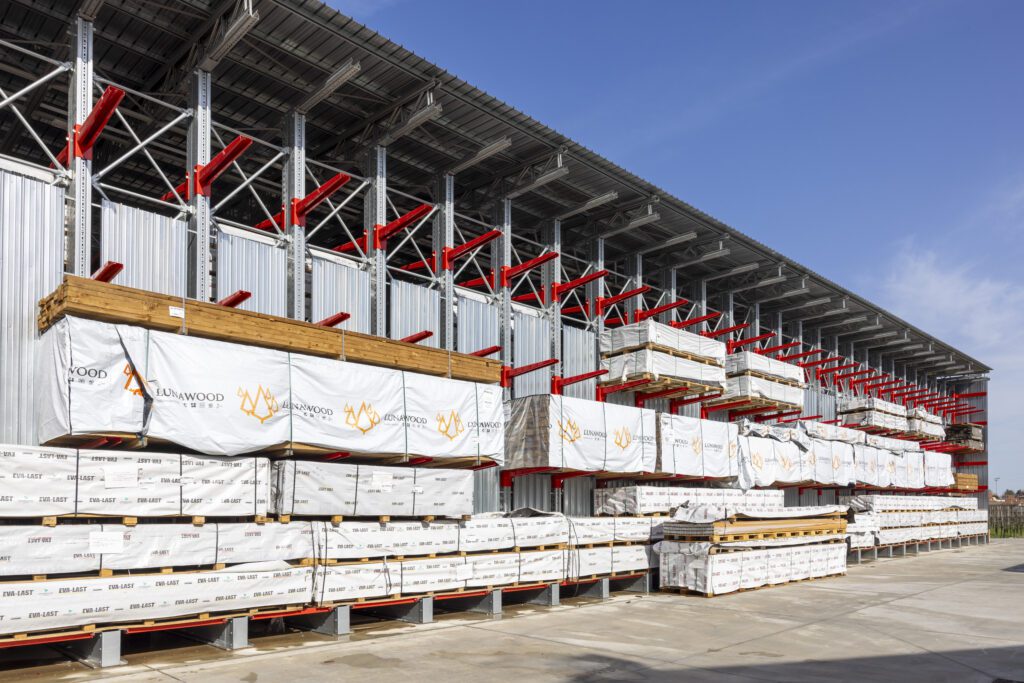
6) Long loads → pipes, bars and profiles are handled using cantilever systems, thanks to adjustable arms that adapt to the length of the unit load.
7) Customised unit loads → specially designed loads for transporting specific industrial components, such as tyre cages or coil carriers. In these cases, highly customised industrial shelving with dedicated supports are required to ensure safe and efficient storage.
How to choose a storage system based on available space
In addition to unit load characteristics, the available space plays a decisive role in choosing the storage system. The building layout directly affects feasible solutions and the balance between density and operability.
Key aspects to consider include:
- Aisle width: in high-density warehouses, narrow aisles and systems such as mobile pallet rack, drive-in rack, pallet shuttle systems or gravity flow systems are preferred, concentrating large volumes of unit loads in limited spaces. Where high accessibility is required, wider aisles are adopted, suitable for counterbalance or reach trucks, as in classic selective pallet rack. In very narrow aisles, VNA (Very Narrow Aisle) solutions with trilateral or bilateral trucks allow space optimisation without sacrificing selectivity.
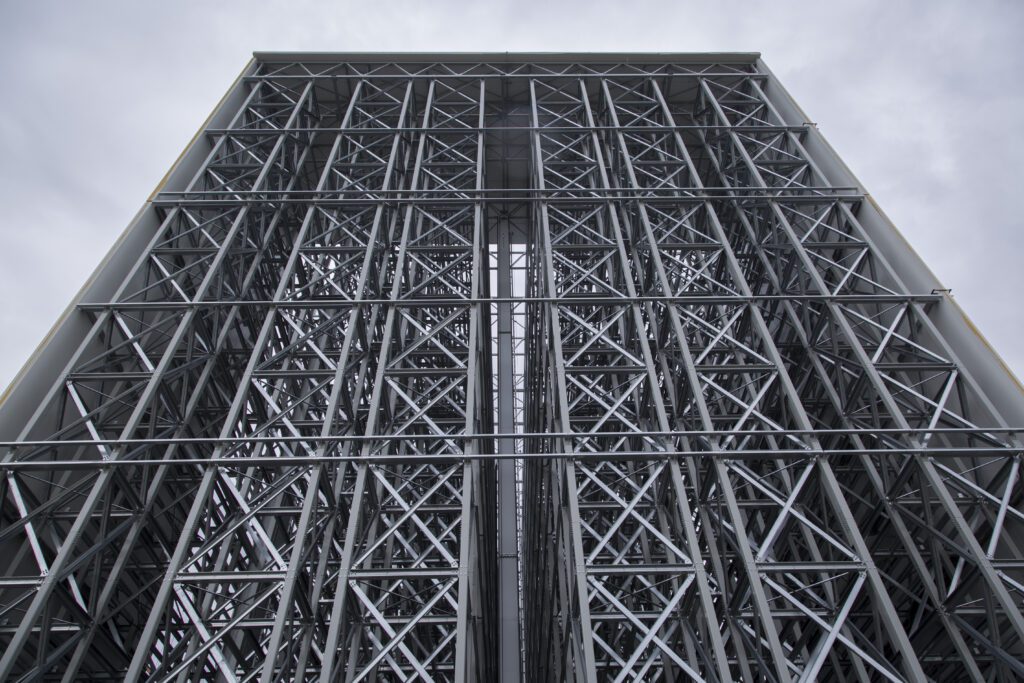
- Warehouse height: height makes it possible to exploit the available volume and increase storage capacity. Structures such as multi-tier systems or industrial mezzanines create multiple operating levels, turning height into usable space not only for storage, but also for picking activities and dedicated operational areas. Traditional pallet rack can reach heights of 15–16 meters, while for greater heights, automated warehouses and/or self-supporting structures are more suitable, as they maximise vertical volume and optimise logistics flows.
Conclusions
Choosing a storage system is a complex process based on balancing unit load, stock rotation, available space, handling equipment, safety requirements and investment.
A structured analysis makes it possible to identify the most efficient solution, reducing operating costs and making the best use of warehouse volume.
Looking for a storage system designed around your needs?
ROSSS develops tailor-made solutions starting from the customer’s real operational requirements, integrating safety, regulatory compliance, innovation and logistics efficiency.
Contact us for a personalised technical consultation.